
From parents to professionals
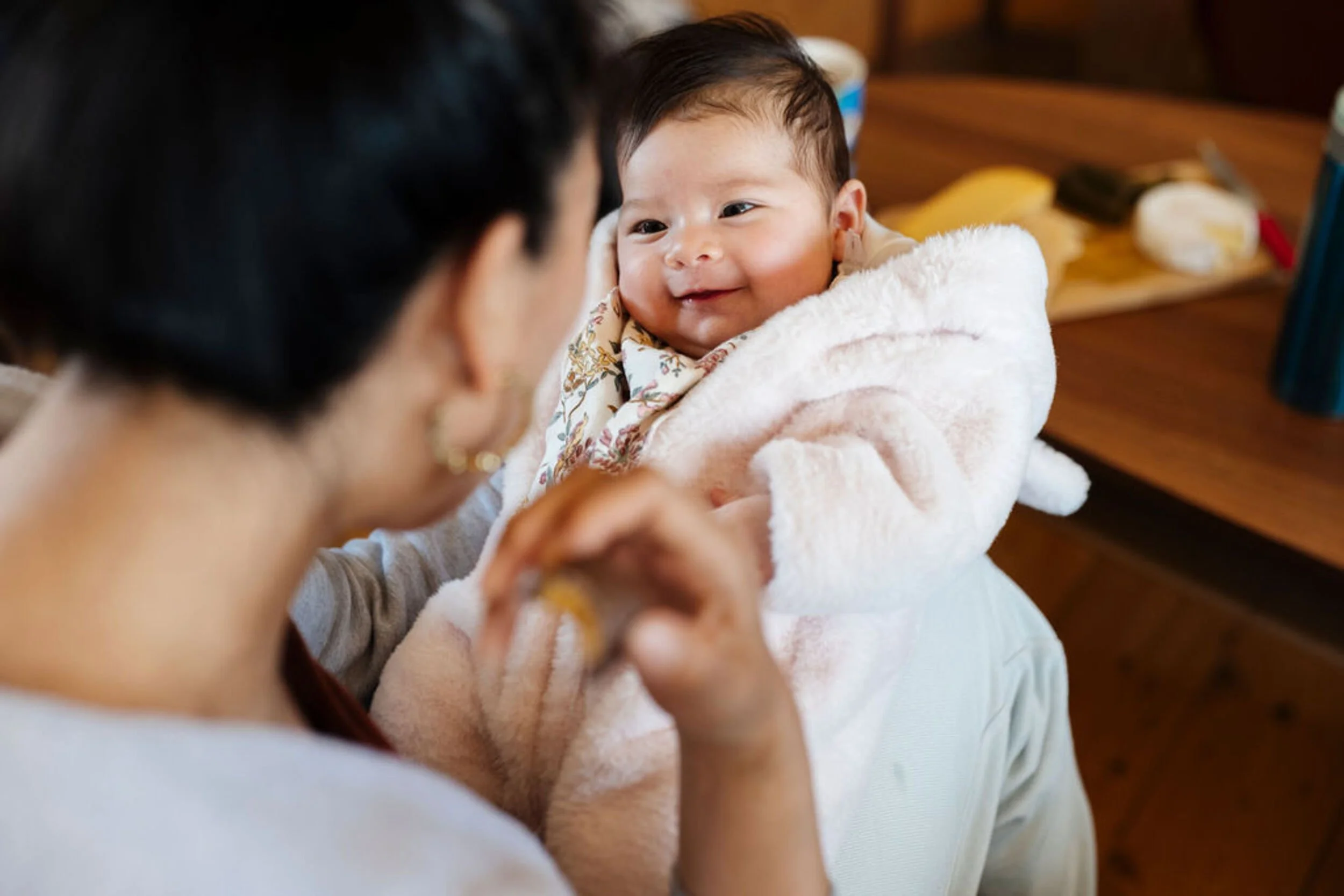
For many people, their own postpartum story is the catalyst that inspires them to support other mothers.
At Newborn Mothers, we often come across this pattern where women have a really challenging experience and then become motivated to support other mothers. It’s a beautiful thing to come out of what felt like a dark time.
Or it might be that a mother had quite a positive, well-supported experience and wants to ensure other parents have access to the same care (this is less common, sadly).
We’ve collected a few stories from our graduates who were inspired by their own postpartum experiences to become professionals in this field. The stories are all quite different, but you may spot some common themes!
What does your laugh sound like?
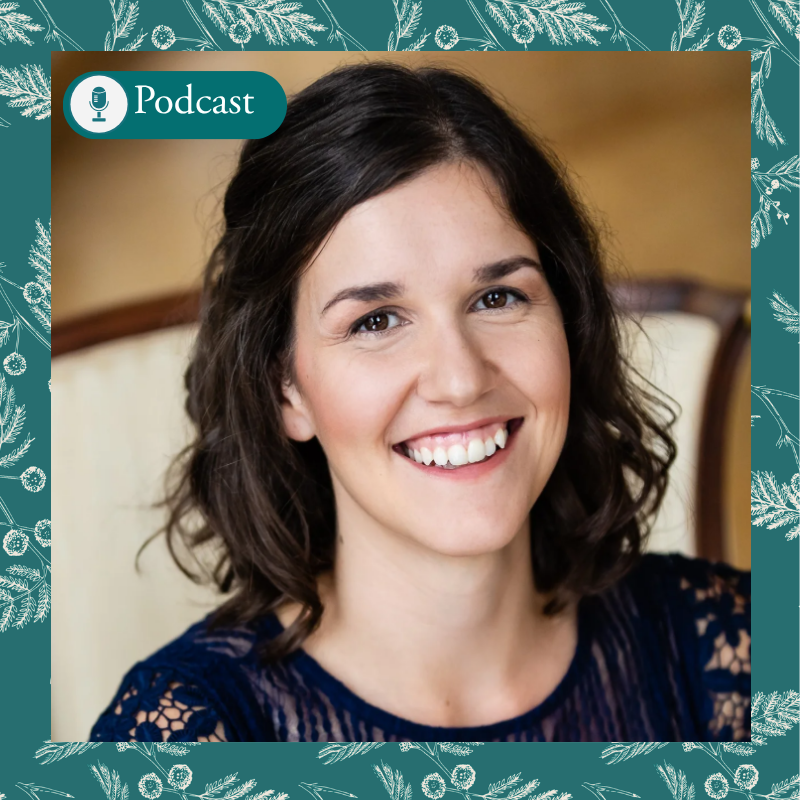
One of our graduates, Amy Marshall, overcame an extremely difficult postpartum experience, which affected her mental health, sense of identity and physical well-being. Like many first-time pregnant people, postpartum planning and preparation didn't even cross her radar as she was totally focused on planning for the birth! Here’s what she told Julia about some of the challenges she encountered:
I didn't have any sort of framework for understanding what was about to happen in my life, to my heart and to my soul, and my identity. I thought that my life was going to be the same, but with this tiny little human to tag along with it.
I didn't understand about the need for rest or how to support my healing. I was going out for long walks with my baby two weeks postpartum because I thought that's what I was supposed to do.
Nutrition-wise, I didn't feed myself well. This was hard because I was trained as a dietician and thought I should be able to handle this better. Looking back, first of all, I didn't know about specific postpartum nutrition needs. But aside from that, I felt completely overwhelmed. Figuring out what to make and then execute all of those tasks in the kitchen while simultaneously caring for a fussy baby who just wanted to breastfeed and sleep on me all of the time just seemed crazy and overwhelming to me.
Can you relate to any of this? One of the things we hear over and over again from new mums is that they felt they “should” be doing better. Here’s one last quote from Amy to leave you with a powerful image:
I remember this one moment, I was sitting with my son and he was playing on the floor beside me, and he was only two at the time, and he just sweetly looked up at me and directly asked me, "Mommy, what does your laugh sound like?" And I just thought like, "Oh, buddy." And I realised that I wasn't the mum I wanted to be for my child, and that my mental health was having a direct impact on my son. And that really hit hard.
This turning point led Amy to completely rethink postpartum care, ultimately to train and support other mothers through this transition.
The full interview with Amy is below. Click through to hear how she turned her postpartum experience into a career in postpartum support (or keep scrolling for more stories).
The blues hit hard…
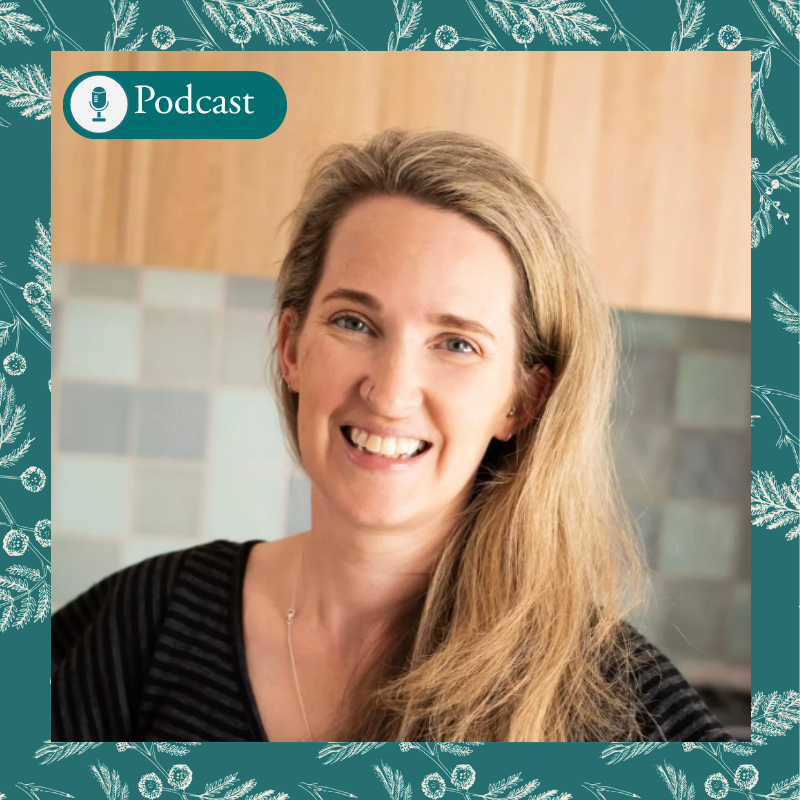
Can you imagine never being able to hold your baby close? Dani Potter’s first baby was born with severe hip dysplasia and put into a Pavlic Harness at birth. This is quite a rigid, scratchy, uncomfortable harness. Dani couldn't bathe her daughter every day. She missed out on all those squishy newborn cuddles. Close contact, especially skin-to-skin, is a huge part of the bonding process so this constraint deeply affected Dani’s postpartum experience.
When Julia interviewed Dani on the podcast she said:
I found myself getting very low. My mood was low, the blues hit hard. I also had an infection post birth, and so I was feeling pretty awful in myself.
Luckily her cousin and mother recognised the seriousness of the situation. They scheduled ongoing care visits: tidying the house, making sure Dani was eating well, helping with newborn care.
Dani described how her personal experience opened up her eyes to the systemic problems in maternal care.
I found myself thinking, I'm really fortunate to have this. How many women out there don't have that support? Surely there is a system out there that can provide support to women who don't have it, but where is it? Where is that system for the women who don't have their family around them?
So later when I was pregnant with Ed, I started researching what care and support programmes and systems were out there, and came across your training, and thought, right, this is something that I can really immerse myself in. And I can learn and I can apply these strategies to myself in my postpartum. And then once I'm recovered and back on deck, I can start providing that same care for others.
Seeing the difference that support made in her own recovery inspired Dani to train in postpartum care. Click through to learn more about how this concept became the foundation of her postpartum support business.
I entered a portal of change
Some mothers experience a sort of personal transformation in motherhood. Postpartum can be a catalyst for profound change on many levels.
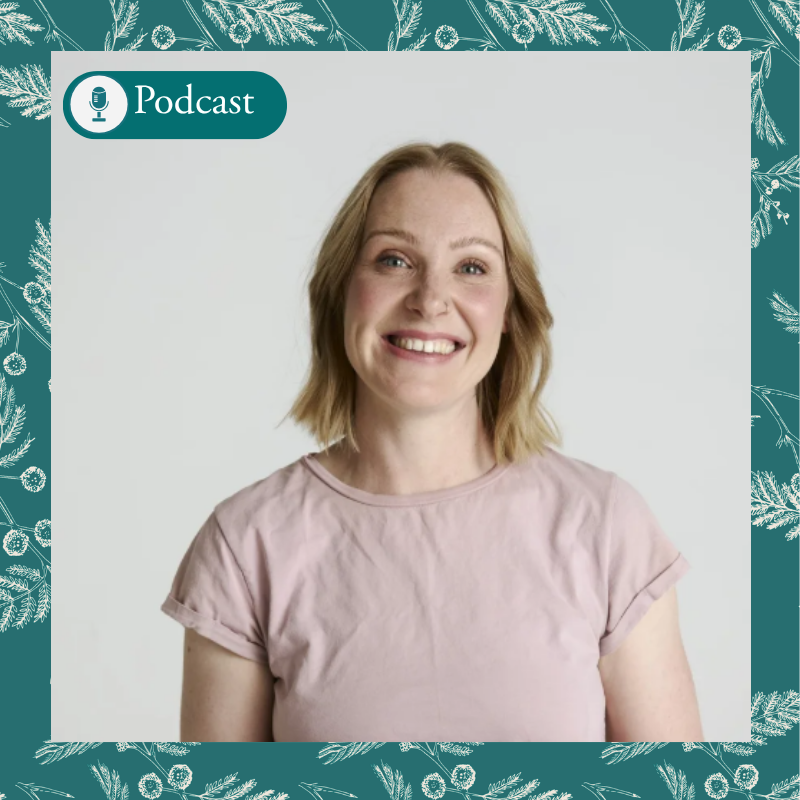
This podcast interview with Alison Heppell is a beautiful example of this kind of transformation. Here’s an excerpt from the transcript:
My mum had passed away about six years before I was pregnant. I really wanted a mother figure in my birthing space. And I'd also been a birth partner for my sister about two years prior to having my first baby. And so I planned a hospital birth, with a birth doula, but did not plan at all for postpartum, as is often the way.
My husband and I were the last of our siblings to have kids. My sisters both went through that. And I saw postpartum from the outside and I thought I knew it, but when I had my own lived experience, I was just like, what? Why is nobody telling us about this?
And then I had Harry in August 2019 and entered a portal of change and experimentation and new ideas and new thoughts. And now I know that as matrescence, but at the time I was just like, oh, I'm just in this weird sort of portal of change.
This ‘portal of change’ as Alison describes it, didn’t just affect her personal life. It led her to retrain and build a career supporting other mothers.
If you want to hear the rest of Alison’s story, click through to listen to the podcast or read the full transcript. Otherwise keep reading for the next story…
I fell in love with the act of mothering
Here we have another story of a mum who underwent a total identity shift! Are you starting to see some common threads in these stories?
When describing her own postpartum experience, Rachael Rose said:
I thought life would just continue as it would. I was working in Sydney in a corporate job.
However, like so many first-time mums, Rachael learned that life is never the same again! She had a difficult pregnancy with hyperemesis, feeling so unwell that she had to reduce her hours and eventually quit her job. She had moved to a new area during her pregnancy, so she didn't know anyone. She said:
I found the whole experience of my pregnancy basically very tiring, exhausting, but I was devastatingly lonely.
I didn't have a network of women friends, other mothers around me to talk to, to share what I was going through. And so that was very hard. I also entered motherhood through the hospital system and came out the other side with birth trauma, which I had to untangle and unravel.
And apart from the initiation being very difficult when I was at home with my baby, learning to breastfeed, co-sleeping, I fell in love with the act of mothering. And I'd gone from Type A high achiever, all my value is determined by my productivity to diving deep into being this mother of this baby and just absolutely loving it.
So I kept noticing that all of the books on my shelves now were about birth, breastfeeding, attachment parenting, evolutionary parenting. I read your work, I got interested in the work that you've done, and I was like, oh, maybe there's something in this. Maybe there's a new career here.
This experience of loneliness and transformation led Rachael to create women’s circles and eventually build a business supporting mothers through connection and community. Her business model has changed and grown over the years, so if you want to learn more about that part of her journey click through.
Otherwise keep scrolling for more stories about mums who were inspired by their own postpartum experiences to support other mums.
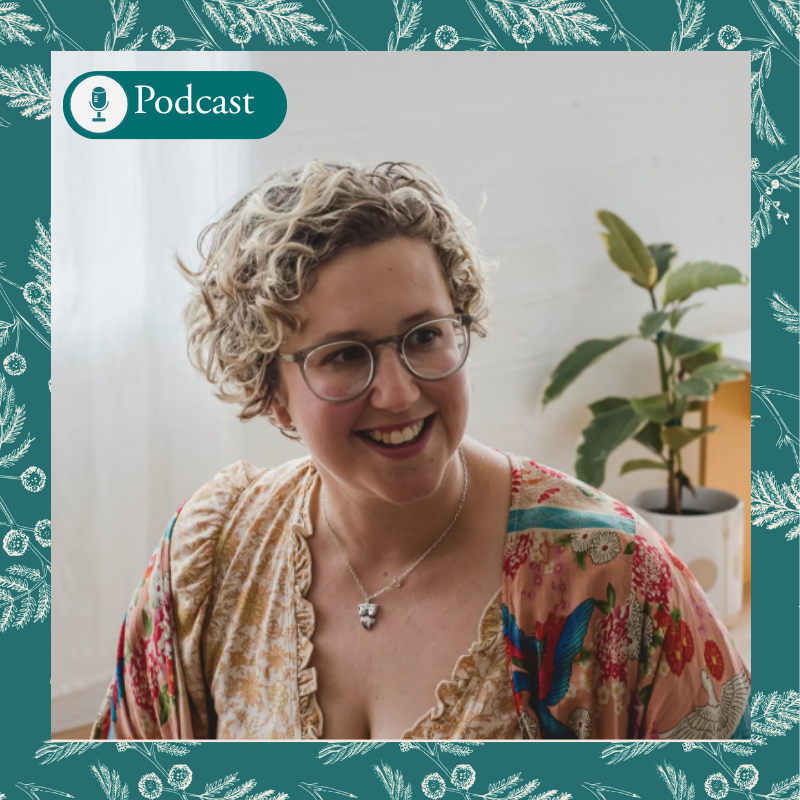
That hunger for knowledge
Did you know that having a baby causes literal changes in the brain? The brain becomes more plastic and able to learn new information readily. From an evolutionary perspective this makes a lot of sense as new parents would need to learn a whole new skillset in this phase of life. We talk about this elsewhere on the site in more detail, but just keep that in mind as we go into this next story.
Ayla Judd was a massage therapist for a decade. Like a lot of mums, she assumed she would return to work after having her baby and that life would be essentially unchanged. But postpartum changed all those plans:
I got de Quervain's tenosynovitis…a tendonitis in your wrists and your thumb. Some refer to it as mum thumb. And sadly, it's very common. I suppose mums where we are the sole carer of our babies and we are picking them up with our thumbs out underneath the armpits. And then I couldn't go back to my massage work, so that was a really hard time.
In Ayla’s interview, one of the themes that stood out was her drive to learn and understand what was happening to her. She said:
During my pregnancy, education and knowledge was really important to me. And then I had my son and then postpartum hit, and it was wild. I had a unwanted Caesarean. Shortly after, I began having breastfeeding trouble. Then I developed a breast abscess. I had to have surgery. And so I essentially had a postpartum with a bag attached to my breast.
But somehow I got through all that and kept breastfeeding. I still had that hunger for knowledge.
Ayla came across Newborn Mothers and found the depth of knowledge she had been searching for. She said:
I finished your course and then the de Quervain's settled. I healed from the breast abscess surgery although I had three months of nerve pain, which was pretty nuts. And then my wrist came good, and then the melting pot of massage and postpartum care came together and that's when Blossom Motherhood was born.
During my postpartum I did the breastfeeding course first because I was really passionate about all the information. I loved it all so much that I went back and did the Postpartum Education and Care Professional training back in 2023.
We love that this hunger for learning kept Ayla going even through such difficult physical challenges. Because of her experience she now supports other mothers. Go ahead and click through to listen to her full story or read the transcript.
Hi, I’m Julia Jones!
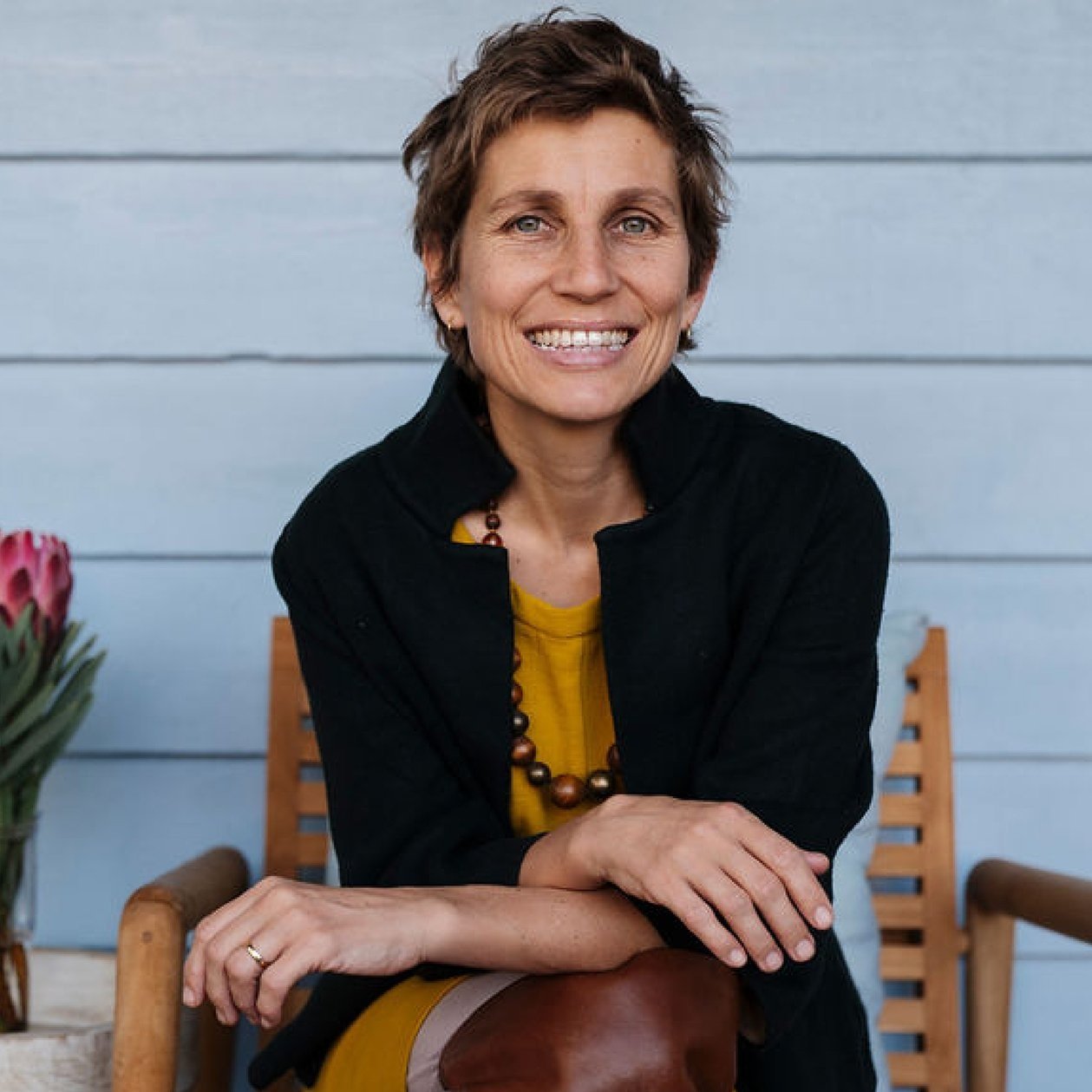
I am the founding director of Newborn Mothers, a postpartum doula, educator and best-selling author.
For the last 10 years, I have trained over 1500 postpartum professionals in over 60 countries through my worldwide leading education training for postpartum professionals.
I believe we need a renaissance in our cultural understanding of postpartum and I aim to influence systemic change.
